1. A Functional Part of the Military Logistics Chain
In modern defense systems, any delay in the supply chain can impact mission readiness. Packaging becomes a critical link in managing and mobilizing equipment – from initial packing at a logistics center, through transport and storage, to field deployment.
Magen supports this process by:
- Enabling accurate documentation and labeling
- Supporting rapid identification and inventory control
- Reducing preparation time for deployment
- Integrating with existing logistics systems
Rather than being treated as an afterthought, the case becomes an integral part of the operational asset.
2. Protecting Soldiers and Equipment
The equipment deployed to combat units includes sensitive, high-value, or potentially dangerous components — from missiles and munitions to communications systems and advanced electronics. Any damage, however minor, can directly affect mission success.
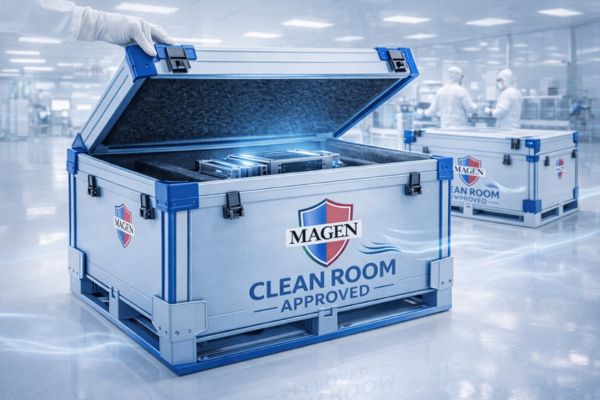
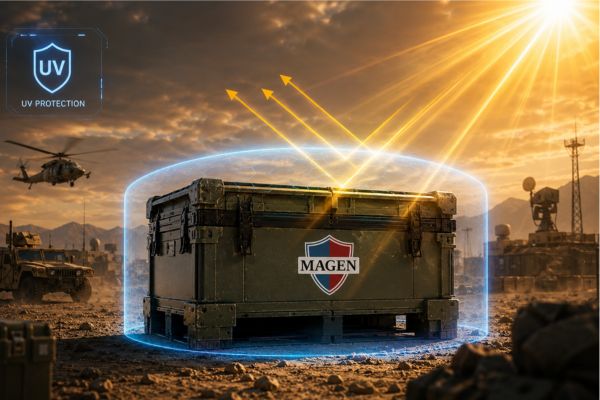
Magen cases are built with shock-absorbing interiors, sealed construction, and resistance to vibration, moisture, dust, and temperature changes. Each case is designed with the vulnerabilities of the protected item in mind.
This ensures:
- Long-term preservation of equipment condition
- Reduced risk of injury or malfunction due to improper handling
- A safe, routine deployment process for teams in the field
3. Cost Efficiency Through Reusability
In an environment of constrained budgets and increased focus on operational efficiency, reusable solutions are not a luxury — they are a necessity. Magen cases are built from durable materials with modular designs, enabling repeated use, refurbishment, and long-term deployment.
The results:
- No need to reorder packaging for each deployment cycle
- Significant savings in storage and transport
- Cases become a long-term investment, not a disposable expense
- Enhanced operational flow thanks to a reliable packaging solution
4. Design Flexibility to Match Changing Requirements
Defense programs evolve quickly, and so does the equipment. A strategic packaging solution must be flexible enough to remain useful even when product dimensions, accessories, or operational requirements change. Magen offers tailored design options in materials, layout, and internal configuration — even under manufacturing constraints.
This includes:
- Early collaboration between client and engineering teams
- Adjustable interior structures and foam layouts
- Low-volume production for specific or evolving needs
- Support for both one-off systems and mass-produced programs
Magen – Because Every Link in the Chain Matters
When every component in a defense program is evaluated for its impact on readiness, safety, and cost-efficiency, packaging takes on a new role. Magen doesn’t just protect it, it reinforces the entire logistical chain, supports operational confidence, and delivers long-term value through intelligent engineering.
Developing a system that requires reliable, mission-ready packaging?
Reach out to the Magen team – and let’s design the right protective layer for your solution.